



Aromatase/CYP19A1
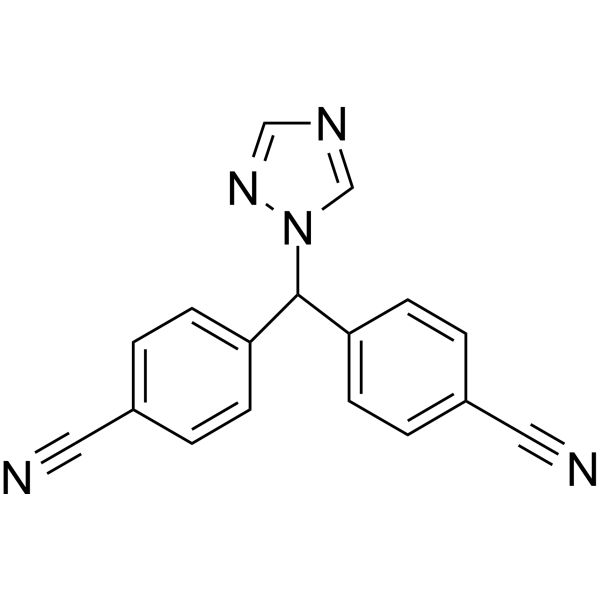
Aromatase/CYP19A1 is a cytochrome P450 enzyme that converts C19 androgens, including androstenedione and testosterone, into C18 estrogens through a three-step reaction requiring O2, NADPH, and cytochrome P450 reductase[1]. Mechanistically, CYP19A1 performs two C19-methyl hydroxylation steps followed by steroid A-ring aromatization, a reaction described as unique to aromatase[1]. CYP19A1 expression is regulated by tissue-specific promoters in ovary, placenta, adipose tissue, brain, and other estrogen-forming sites, while promoter-derived untranslated exons splice into a common coding region that produces the same aromatase protein[2]. In breast cancer models, aberrant CYP19A1 transcription increases intratumoral estradiol and supports estrogen-dependent tumor growth, making promoter regulation and aromatase activity practical endpoints for mechanistic studies[3]. Clinically, high CYP19A1 expression associates with poor overall, disease-free, and metastasis-free survival in estrogen receptor-positive breast cancer, but not estrogen receptor-negative disease[4]. Compared with broader cytochrome P450 enzymes, aromatase shows androgen-specific substrate recognition and catalyzes the estrogen-forming aromatization step[1]. For experimental applications, anastrozole and letrozole act as reversible nonsteroidal aromatase inhibitors, whereas exemestane functions as an irreversible steroidal aromatase inactivator[5].
References:
- [1]. Ghosh D, et al. Structural basis for androgen specificity and oestrogen synthesis in human aromatase. Nature. 2009 Jan 8;457(7226):219-23. [Content Brief]
- [2]. Simpson ER, et al. Tissue-specific promoters regulate aromatase cytochrome P450 expression. Clin Chem. 1993 Feb;39(2):317-24. [Content Brief]
- [3]. Holloway KR, et al. SIRT1 positively regulates breast cancer associated human aromatase (CYP19A1) expression. Mol Endocrinol. 2013 Mar;27(3):480-90. [Content Brief]
- [4]. Friesenhengst A, et al. Elevated Aromatase (CYP19A1) Expression Is Associated with a Poor Survival of Patients with Estrogen Receptor Positive Breast Cancer. Horm Cancer. 2018 Apr;9(2):128-138. [Content Brief]
- [5]. Geisler J. Differences between the non-steroidal aromatase inhibitors anastrozole and letrozole--of clinical importance? Br J Cancer. 2011 Mar 29;104(7):1059-66. doi: 10.1038/bjc.2011.58. Epub 2011 Mar 1. PMID: 21364577; PMCID: PMC3068499. et al. Differences between the non-steroidal aromatase inhibitors anastrozole and letrozole--of clinical importance? Br J Cancer. 2011 Mar 29;104(7):1059-66. [Content Brief]
-
Aromatase/CYP19A1 Related Products (62)
Related Products (62)

-
Oleuropein
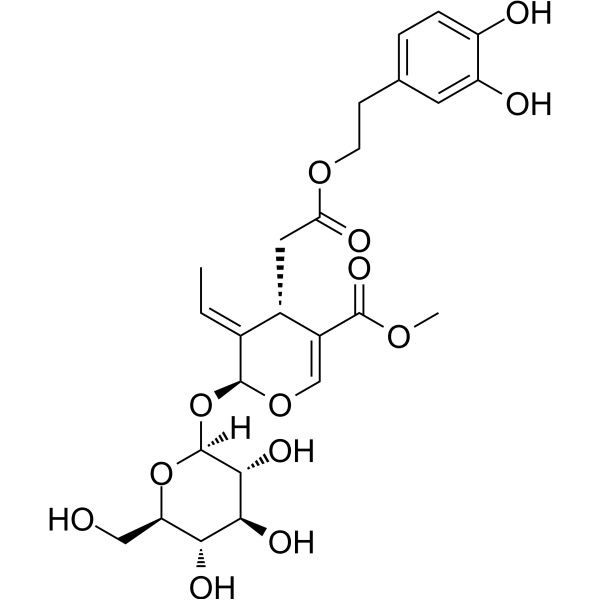 0 ImagesOleuropein, found in olive leaves and oil, exerts antioxidant, anti-inflammatory and anti-atherogenic effects through direct inhibition of PPARγ transcriptional activity. Oleuropein induces apoptosis in breast cancer cells via the p53-dependent pathway and through the regulation of Bax and Bcl2 genes. Oleuropein also inhibits aromatase.
-
Anastrozole
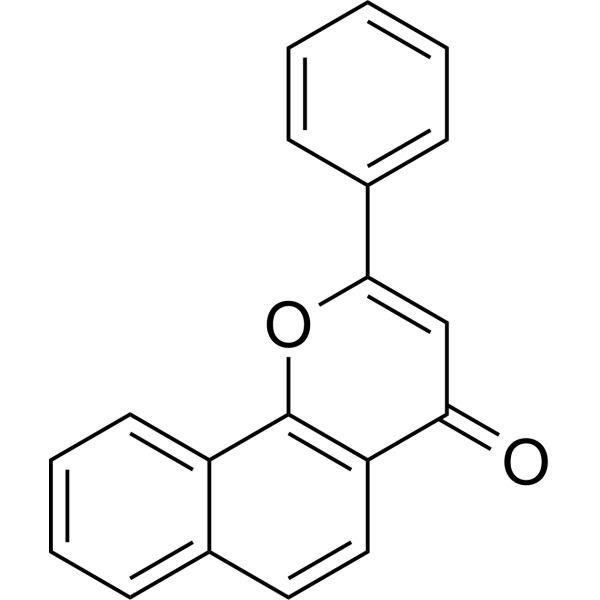
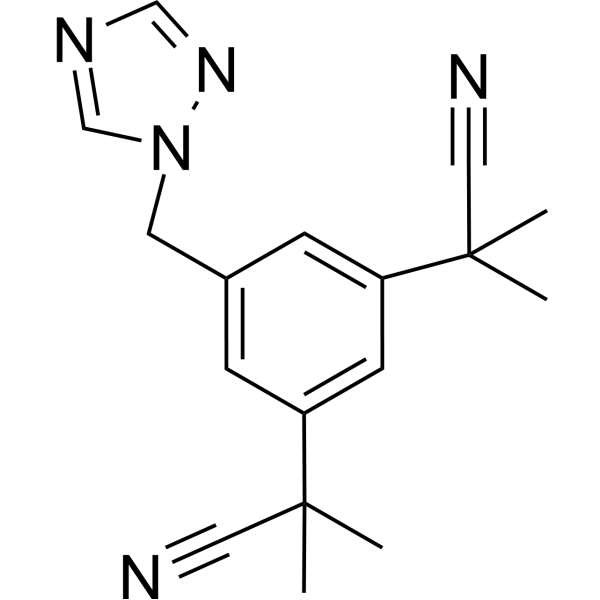 0 ImagesSynonyms: ZD1033Anastrozole is a potent, highly selective aromatase inhibitor, which inhibits human placental aromatase with an IC50 of 15 nM.
-
4-Chlorophenylacetic acid
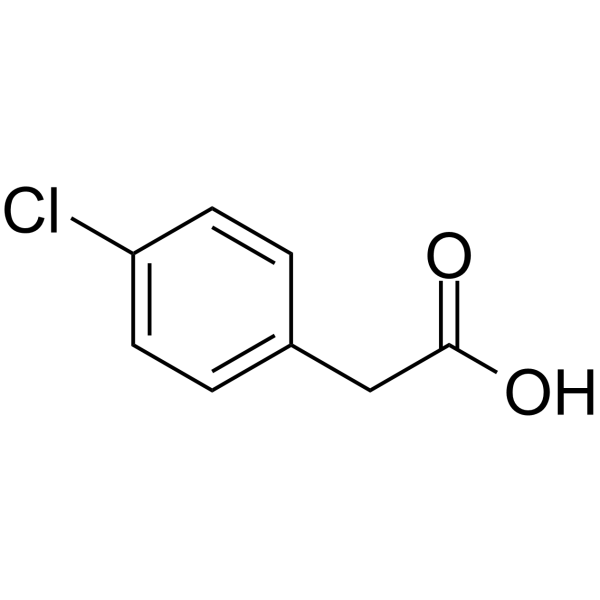 0 Images4-Chlorophenylacetic acid is an aromatase antagonist. 4-Chlorophenylacetic acid inhibits estrogen-induced breast tumorigenesis by blocking estrogen conversion. 4-Chlorophenylacetic acid also serves as the sole carbon and energy source for Pseudomonas sp. CBS3; it is degraded via dechlorination and aromatic ring cleavage pathways, and induces the synthesis of protocatechuate 2,3-dioxygenase. 4-Chlorophenylacetic acid can be applied to studies related to estrogen-induced breast tumors and bacterial degradation pathways.
-
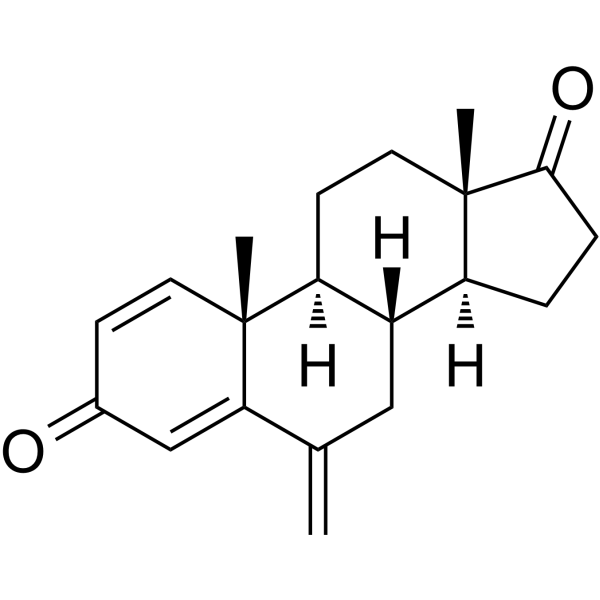
Exemestane (Standard)
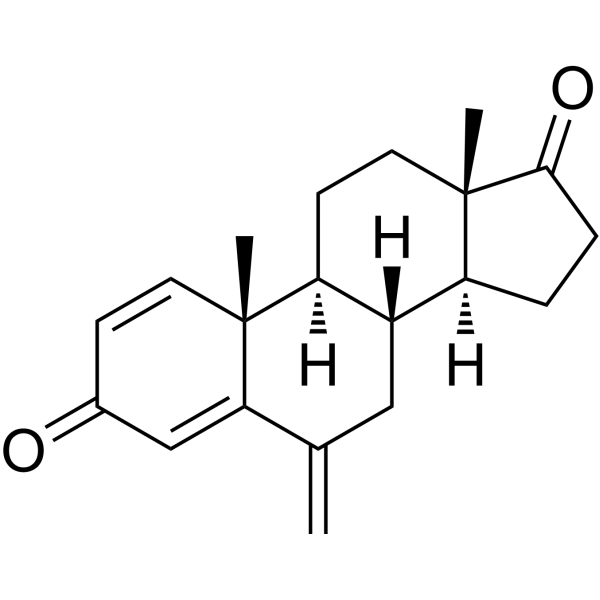 0 ImagesSynonyms: FCE 24304(Standard); EXE (Standard)Exemestane (Standard) is the analytical standard of Exemestane. This product is intended for research and analytical applications. Exemestane (FCE 24304) is a selective, irreversible and orally active steroidal aromatase inhibitor with IC50s of 30 nM and 40 nM for human placental and rat ovarian aromatase, respectively. Exemestane can be used for hormone-dependent breast cancer research.
-
4-Chlorophenylacetic acid (Standard)
 0 Images4-Chlorophenylacetic acid (Standard) is the analytical standard of 4-Chlorophenylacetic acid (HY-W010062). This product is intended for research and analytical applications. 4-Chlorophenylacetic acid is an aromatase antagonist. 4-Chlorophenylacetic acid inhibits estrogen-induced breast tumorigenesis by blocking estrogen conversion. 4-Chlorophenylacetic acid also serves as the sole carbon and energy source for Pseudomonas sp. CBS3; it is degraded via dechlorination and aromatic ring cleavage pathways, and induces the synthesis of protocatechuate 2,3-dioxygenase. 4-Chlorophenylacetic acid can be applied to studies related to estrogen-induced breast tumors and bacterial degradation pathways.
-
Endoxifen
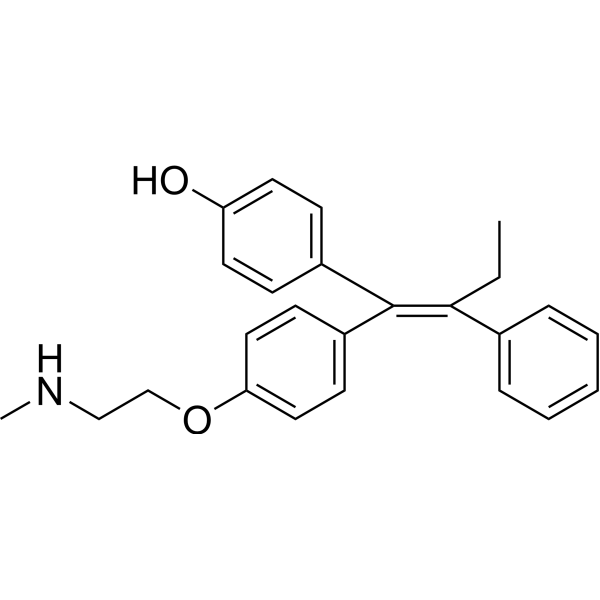 0 ImagesEndoxifen is a key active metabolite of tamoxifen (TAM) with higher affinity and specificity to estrogen receptor that also inhibits aromatase activity. Endoxifen has the potential for breast cancer study.
-
(R)-4-Benzyl-2-oxazolidinone
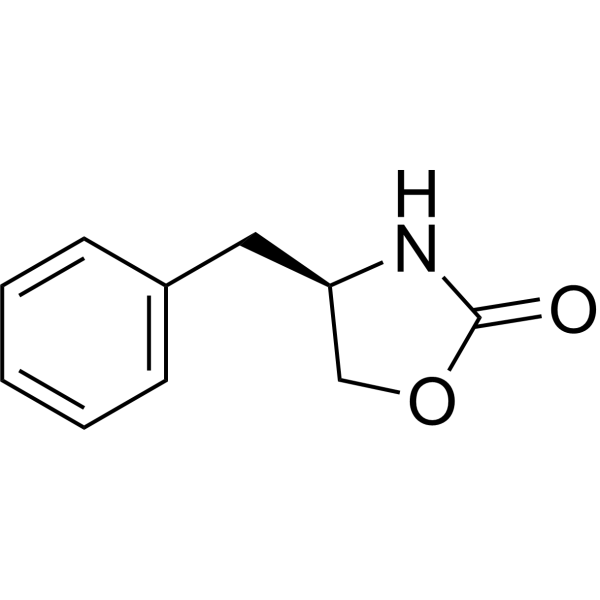 0 Images(R)-4-Benzyl-2-oxazolidinone is an oxazolidinone-type auxiliary that enables highly stereoselective asymmetric alkylation reactions. (R)-4-Benzyl-2-oxazolidinone is applied in the total synthesis of natural products and pharmaceutical preparations. Especially in pharmaceutical research and development, (R)-4-Benzyl-2-oxazolidinone not only serves as a key precursor for the synthesis of aromatase inhibitors, but also can be used in studies related to estrogen-dependent breast cancer.
-
Fadrozole hydrochloride
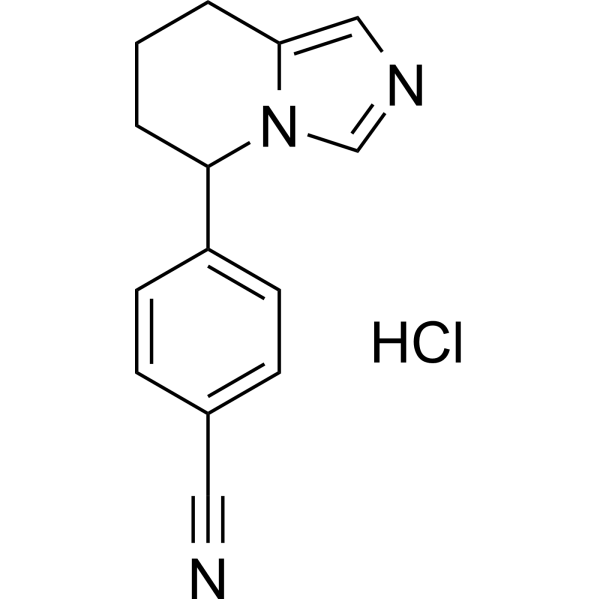 0 ImagesSynonyms: CGS 16949A; (Rac)-FAD286 hydrochlorideFadrozole hydrochloride (CGS 16949A) is a potent, selective and nonsteroidal inhibitor of aromatase with an IC50 of 6.4 nM.
-
Aminoglutethimide
 0 ImagesAminoglutethimide (DL-Aminoglutethimide) is an orally active anticonvulsant with various endocrine-related side effects. Aminoglutethimide blocks multiple steroid hormone synthesis pathways by inhibiting several cytochrome P-450-dependent hydroxylases, such as aromatase, cholesterol side-chain cleavage enzyme, 11-hydroxylase, and 18-hydroxylase, with IC50 values of 0.3, 3.5, 120, and 20 μM, respectively. Aminoglutethimide reduces cortisol levels. Aminoglutethimide can be used in research on Cushing's syndrome, breast cancer, and other conditions.
-
Clitorin
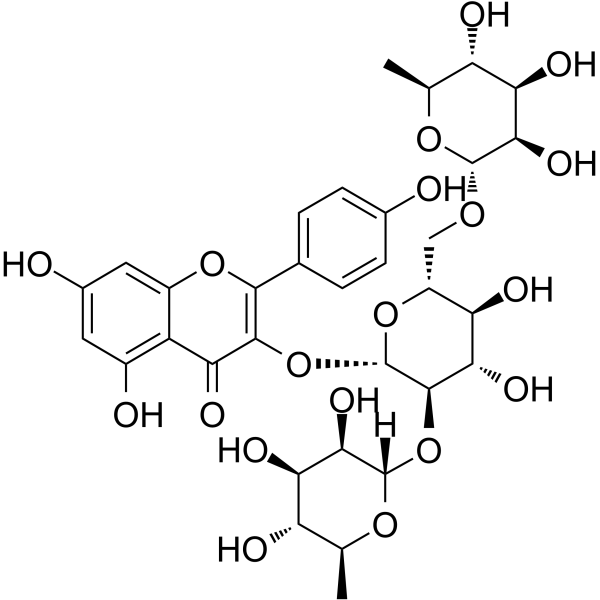 0 ImagesClitorin is an orally active flavonoid compound that can be isolated from Carica papaya. Clitorin is an inhibitor of EGFR (IC50: 89.58 nM) and aromatase (IC50: 77.41 nM). Clitorin has antioxidant and anti-tumor activities. In the DPPH and ABTS radical scavenging assays, Clitorin has IC50 values of 91.96 ppm and 250.45 ppm, respectively. In addition, Clitorin can regulate lipogenesis and fatty acid oxidation and can be used in the research of non-alcoholic fatty liver disease.
-
Endoxifen hydrochloride
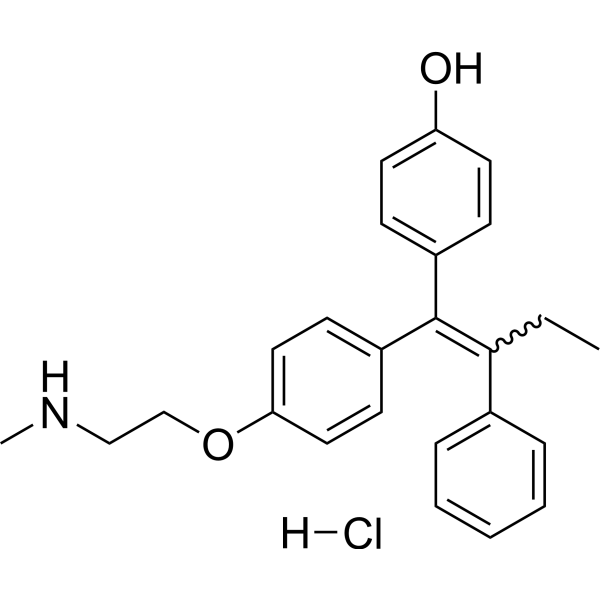 0 ImagesEndoxifen hydrochloride is a key active metabolite of Tamoxifen (TAM) with higher affinity and specificity to estrogen receptor that also inhibits aromatase activity. Endoxifen hydrochloride has the potential for breast cancer study.
-
Fadrozole
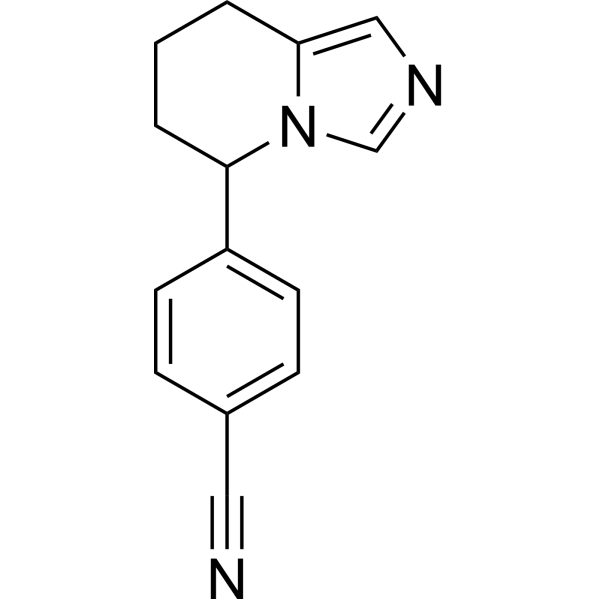 0 ImagesSynonyms: CGS 16949A free base; (Rac)-FAD286Fadrozole (CGS 16949A free base) is a potent, selective and nonsteroidal inhibitor of aromatase with an IC50 of 6.4 nM.
-
Monoethyl phthalate
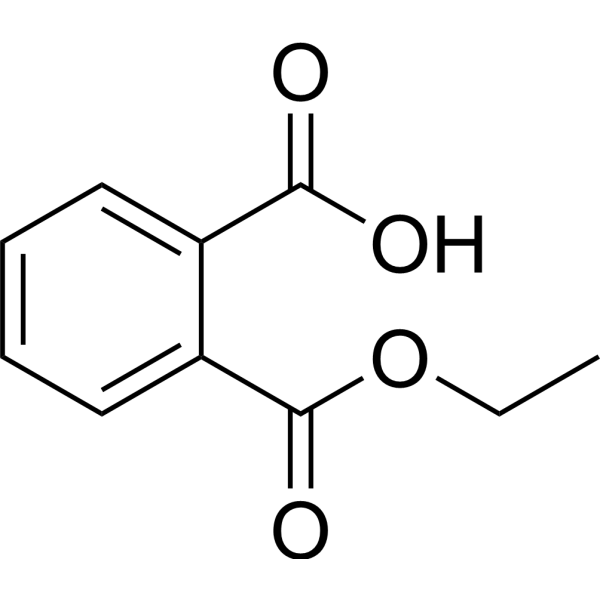 0 ImagesMonoethyl phthalate is an orally active PDX-1 activator and the major hydrolytic metabolite of Diethyl phthalate (HY-Y0284) in vivo, with reproductive toxicity. Monoethyl phthalate targets aromatase (aromatase/CYP19A1) and PPAR to induce cell proliferation. The plasma protein binding rate of Monoethyl phthalate in rats and humans is lower than that of Diethyl phthalate. It exhibits significant enterohepatic circulation in rats and mainly accumulates in liver tissues. Monoethyl phthalate shows no estrogenic activity in estrogen-dependent human breast cancer cells. Monoethyl phthalate can be used in studies of reproductive toxicity and related environmental endocrine disruption mechanisms.
-
CYP19A1-IN-2
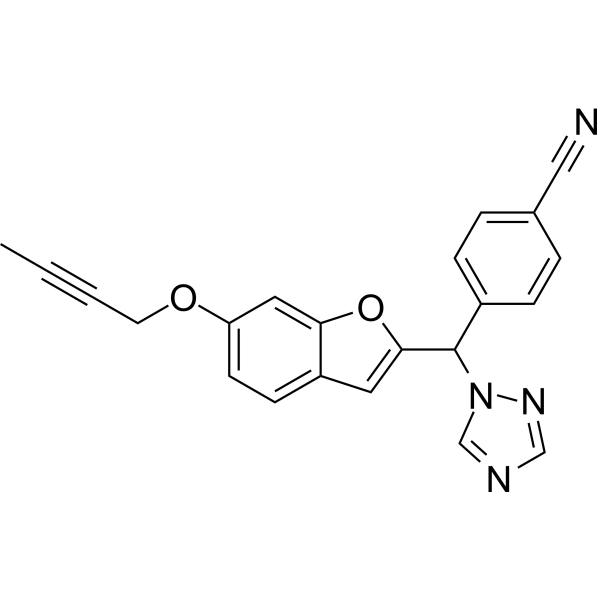 0 ImagesCYP19A1-IN-2 (Compound 13h) is a nonsteroidal aromatase (CYP19A1) inhibitor (IC50=0.09 nM). CYP19A1-IN-2 has potential for breast cancer research. CYP19A1-IN-2 is a click chemistry reagent, it contains an Alkyne group and can undergo copper-catalyzed azide-alkyne cycloaddition (CuAAc) with molecules containing Azide groups.
-
(R)-(+)-Aminoglutethimide
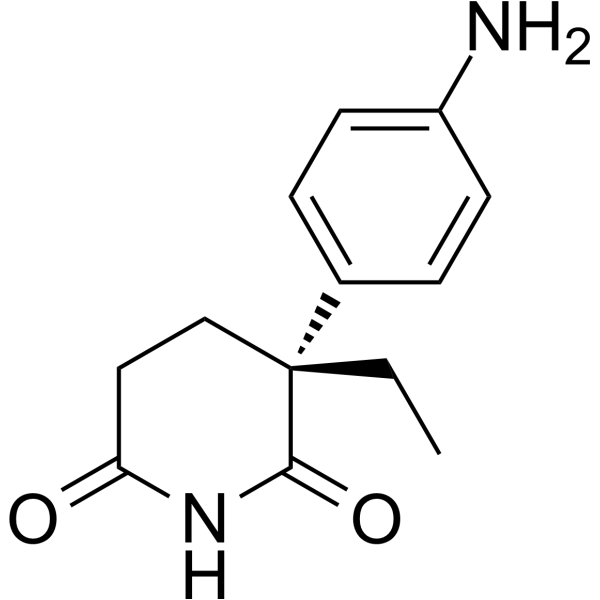 0 ImagesCat. No.: HY-W392925CAS No.: 55511-44-9Synonyms: d-Aminoglutethimide(R)-(+)-Aminoglutethimide is a potent and orally active aromatase inhibitor. (R)-(+)-Aminoglutethimide has the potential for the research of breast cancer.
-
Endoxifen-d5
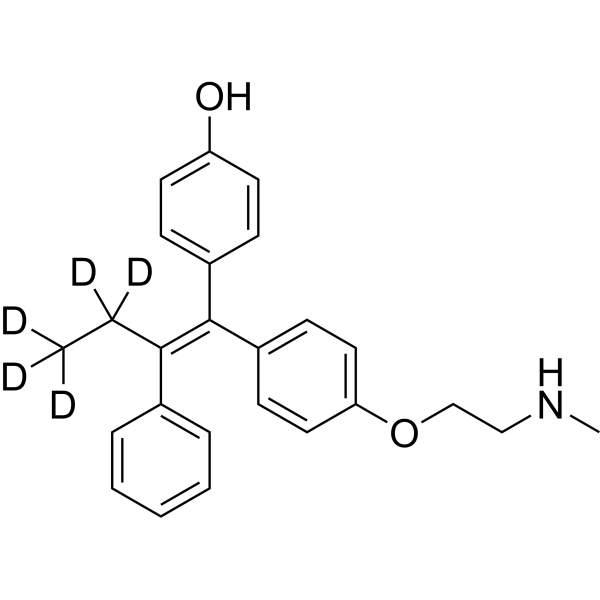 0 ImagesCat. No.: HY-18719ESCAS No.: 1185244-45-4Endoxifen-d5 is the deuterium labeled Endoxifen. Endoxifen is a key active metabolite of tamoxifen (TAM) with higher affinity and specificity to estrogen receptor that also inhibits aromatase activity. Endoxifen has the potential for breast cancer study.



